
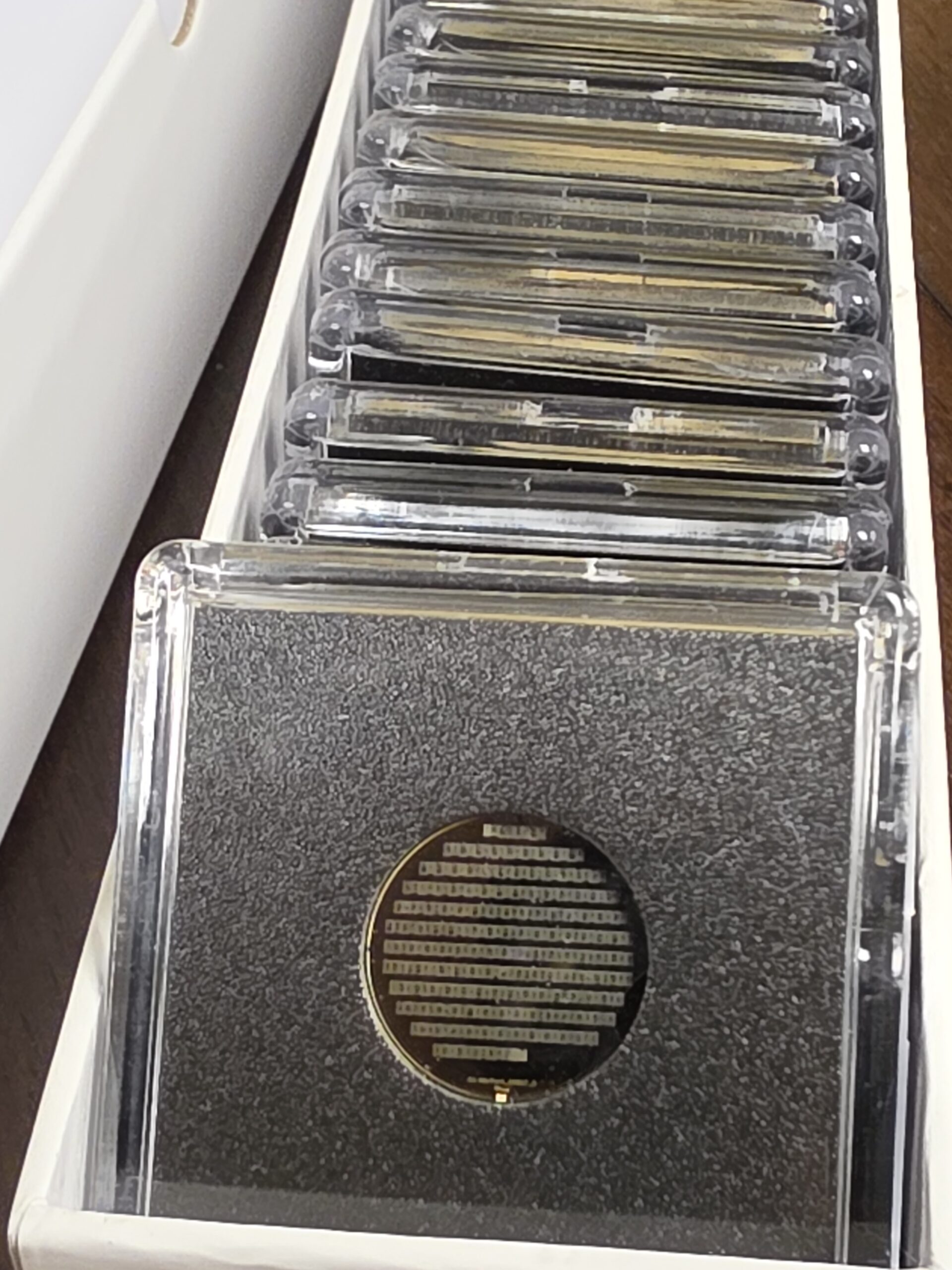
These William Warfield Diaries are presented here through the generosity of the African/African American Historical Society and Museum in Fort Wayne, Indiana.
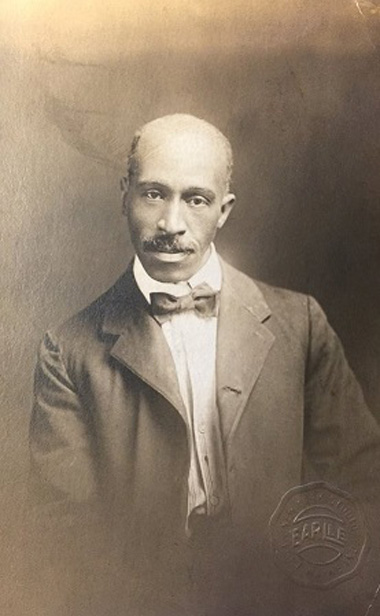
One of the leading members of the African American community in the first part of the twentieth century was William E. Warfield. Born in Maysville, Kentucky, on September 19, 1870, Warfield attended seminary in Washington, D.C., and received certification to teach, but he did not want to become a teacher. Instead, he worked as a waiter in hotels and resorts in Atlantic City and Chicago. He came to Fort Wayne in 1890 and worked as a waiter in the dining room of the Randall Hotel for a number of years. Later he became self-employed and worked as a janitor and at other odd jobs for 20 cents an hour. On Valentine’s Day in 1898 he married Anna Underwood in a small church on Berry Street. Warfield and his wife had two children: William J. Warfield and Velma Warfield.
01 William E. Warfield diary (1909.01-09)
02 William E. Warfield diary (1909.09-1910.06)
03 William E. Warfield diary (1910.07-1911.04)
04 William E. Warfield diary (1911.04-1912.01)
05 William E. Warfield diary (1912.02-11)
06 William E. Warfield diary (1912.11-1913.08)
07 William E. Warfield diary (1913.09-1914.06)
08 William E. Warfield diary (1914.06-12)
Warfield is considered the city’s first black real estate investor. He owned a house on Grand Avenue, and in April 1899 he purchased and moved into a twenty-one-room house at 450 East Douglas Avenue, then known as Montgomery Street. He was the first of his race to live on the street. The large dwelling was to be his family home as well as a rooming house. At the time blacks could not stay in any of the local hotels or eat in any of the local restaurants. Warfield rented rooms to local people and traveling performers. He also had a contract with the Pennsylvania Railroad to house their dining car employees, who came to the city on work assignments and had to wait there for their next assignments to leave. He was paid on a monthly basis by the railroad. The rooming house was very popular – a high-class facility that was selective in its renters.
Warfield acquired a number of properties, including a four-flat apartment house at 501 E. Brackenridge St. [Holman Street], which now houses Project Renew. He also owned a rooming house at 16178 S. Calhoun St., a farm on Bass Road, land on Calhoun Street across from Southgate Plaza, and a few other properties. As a man of many talents, he was also a writer, poet, and composer. He wrote a song, “We Love Old Fort Wayne,” which played from the Lincoln Tower Bank building when it opened in 1930. He published Fort Wayne’s first Black newspaper, The Vindicator. In a 1913 issue, he was referred to as Fort Wayne’s leading black citizen. He named the section of town called Indiana Village and there is a street named after him. Warfield was a regular contributor to the local newspaper, writing opinionated articles about current issues. He was also an ardent reader. On Sundays he would go to the train station, buy all the national newspapers, and spent the day in his room reading undisturbed.
Warfield left a legacy through diligent recording of his personal experiences in a collection of diaries. He wrote about what happened every day, both locally and nationally. He kept excellent financial records, documenting the money received and spent and the cost of items. He died on August 6, 1936.